
Working Time
- Mon-Fri :
08:15AM -05:30PM
Saturday:
08:15AM – 12:00PM
Contact Info
-
Phone: 02 9456 6477
-
Email:
berowradental@outlook.com
Root Canal Therapy
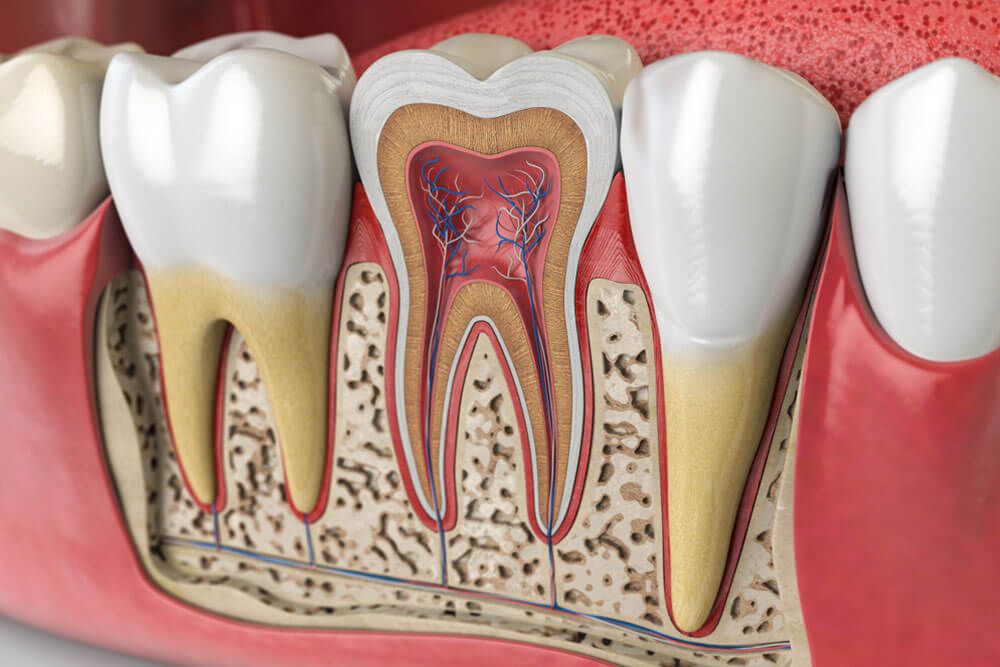
What is Root Canal Therapy?
Root Canal Therapy, also known as endodontic treatment, involves the removal of infected or damaged tissue from inside the tooth. The tooth’s interior consists of soft tissue called the pulp, which can become inflamed or infected due to deep decay, repeated dental procedures, or trauma. If left untreated, this can lead to severe pain and even tooth loss.
The therapy involves carefully removing the infected pulp, cleaning and disinfecting the inside of the tooth, and sealing it to prevent further infection. A restoration such as a crown may be placed on the tooth after the procedure to protect it and restore its function.
When is Root Canal Therapy needed?
Root Canal Therapy may be necessary when:
- You experience persistent tooth pain or sensitivity to heat or cold.
- Your tooth becomes discoloured or darker than usual.
- There’s swelling, tenderness, or a recurring pimple on the gums near the affected tooth.
- You’ve sustained significant damage or injury to a tooth that has affected the pulp.
By addressing these symptoms early, Root Canal Therapy can prevent the need for tooth extraction and maintain your natural tooth structure.
What Happens During Treatment?
Root canal therapy typically involves:
- Assessment: Your dentist examines the tooth and may take X-rays.
- Cleaning: Local anaesthetic is used to numb the area while the damaged pulp is removed and the canals are cleaned.
- Sealing: The canals are filled and sealed to help prevent reinfection.
- Restoration: A filling or crown may be recommended to protect the tooth and restore its strength.
After Care and Recovery
Following your dentist’s instructions helps your tooth heal and protects your long-term results.
- Avoid eating until the numbness wears off.
- Choose softer foods if the tooth feels tender.
- Avoid hard foods on the treated tooth until it has been fully restored.
- Brush and floss gently and maintain your regular oral hygiene routine.
- Attend follow-up appointments to complete any recommended restoration.
Mild tenderness may occur for a few days. Contact your dentist if you experience worsening pain or swelling