
Working Time
- Mon-Fri :
08:15AM – 05:30PM
Saturday:
08:15AM – 12:00PM
Contact Info
-
Phone: 02 9456 6477
-
Email:
berowradental@outlook.com
Extractions
Types of Extractions
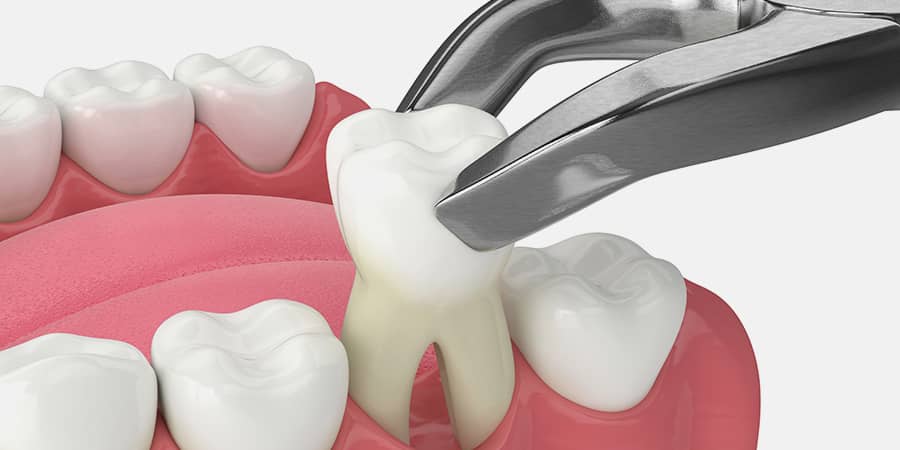
Simple extractions are performed on teeth that are fully visible in the mouth. After numbing the area, our dentist uses specialised tools to gently loosen and remove the tooth. This procedure is quick and straightforward, requiring minimal recovery time.
Surgical extractions are more complex, typically required for impacted teeth (such as wisdom teeth) or teeth that have broken off at the gum line. This procedure involves making an incision in the gum to access the tooth. Surgical extractions may take longer and require a slightly longer recovery period, but our team will ensure you’re comfortable and informed throughout.
Aftercare for Tooth Extractions
Healing and follow up
FAQ
What can i expect during a tooth extraction procedure?
Your dentist will first examine the tooth and take any necessary X-rays. Local anesthetic is used to numb the area, helping minimize discomfort during the procedure. The Tooth is then carefully removed, this involves loosening the tooth. Gauze is placed over the site to help control the bleeding. Your dentist will provide aftercare instructions to support healing and help you recover comfortably.
When is a tooth extraction necessary?
a tooth extraction may be recommended when a tooth is severely damaged, decayed, infected or overcrowded, or when wisdom teeth are causing problems. Your dentist will assess your tooth and discuss suitable treatment options
Is a tooth extraction painful?
the tooth extraction itself should not be painful. Local anesthetic is used to numb the area and minimize discomfort. You may experience some soreness and discomfort afterwards, which can usually be managed with appropriate pain relief.
How long does it take to recover from a tooth extraction?
Recovery time varies depending on the type of extraction, but most patients feel significantly better after a few days. Complete healing usually takes one to two weeks.
What is a dry socket?
a Dry socket occurs when the blood clot that protects the extraction site becomes dislodged or fails to develop properly. This can cause significant pain and delay healing. Contact us if you experience increasing pan a few days after your extraction.
Do i need to replace an extracted tooth?
In many cases, replacing an extracted tooth is recommended to maintain proper bite alignment and prevent shifting of adjacent teeth. We’ll discuss options like implants, bridges, or partial dentures to restore your smile and function.